Oily skin

According to your observations you have oily skin! Contrary to popular belief oily skin requires sufficient moisture. By harshly washing your face and not moisturizing, your skin will produce more oil to compensate for the loss.
In conclusion, forget what you’ve been told about your oily skin, you do not need to dry your skin out!

Some great ingredients for your skin are niacinamide and salicylic acid.
What are these ingredients and what can they do?

Niacinamide

It is a topical form of vitamin B3. Topical means it can be applied directly to a part of the body.
It helps prevent the evaporation of moisture from the skin.
According to "everydayhealth" it’s a natural anti-inflammatory ingredient, so it helps to calm irritated skin.
It is advised to not layer Niacinamide with Vitamin C.
Although some say these ingredients can work together, we do not recommend it. If you still want to use Vitamin C and Niacinamide in your routine, choose which one you want to use at night and the other at day to not cause any other additional skin issues.

Salicylic acid

It is a beta hydroxy acid. Salicylic acid unclogs pores, fights against blemishes, and exfoliates.
Here’s some ingredients you should not mix with salicylic acid:

Retinol
Glycolic Acid
Vitamin C

Here’s a simple skin care routine you can follow to control your oily skin:
If any products should interest you, you can click on the image to be redirected to their official website. Of course, these products are also available on other web shops and in stores. We focused on displaying budget-friendly products, because you shouldn't have to spend a lot to have good products.

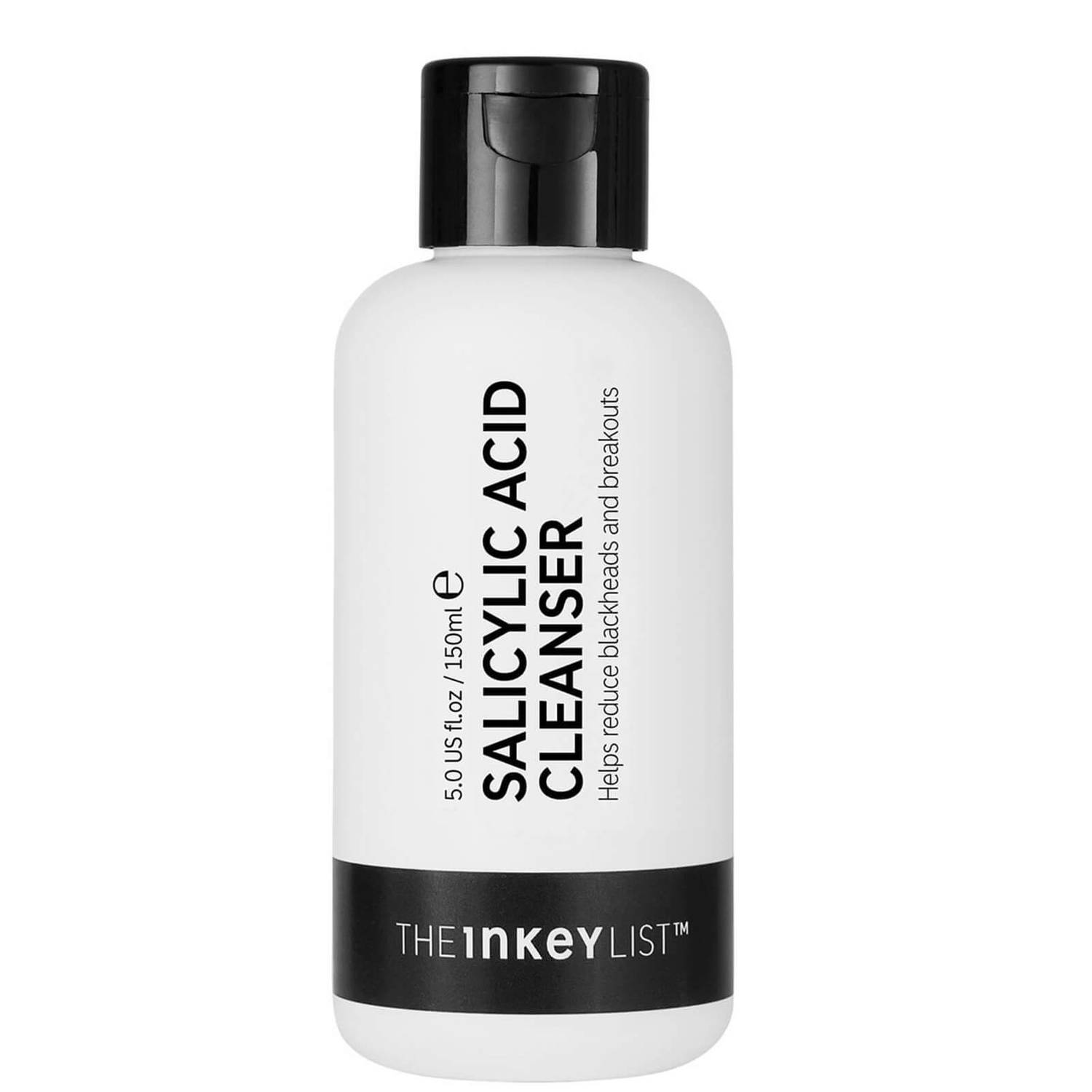
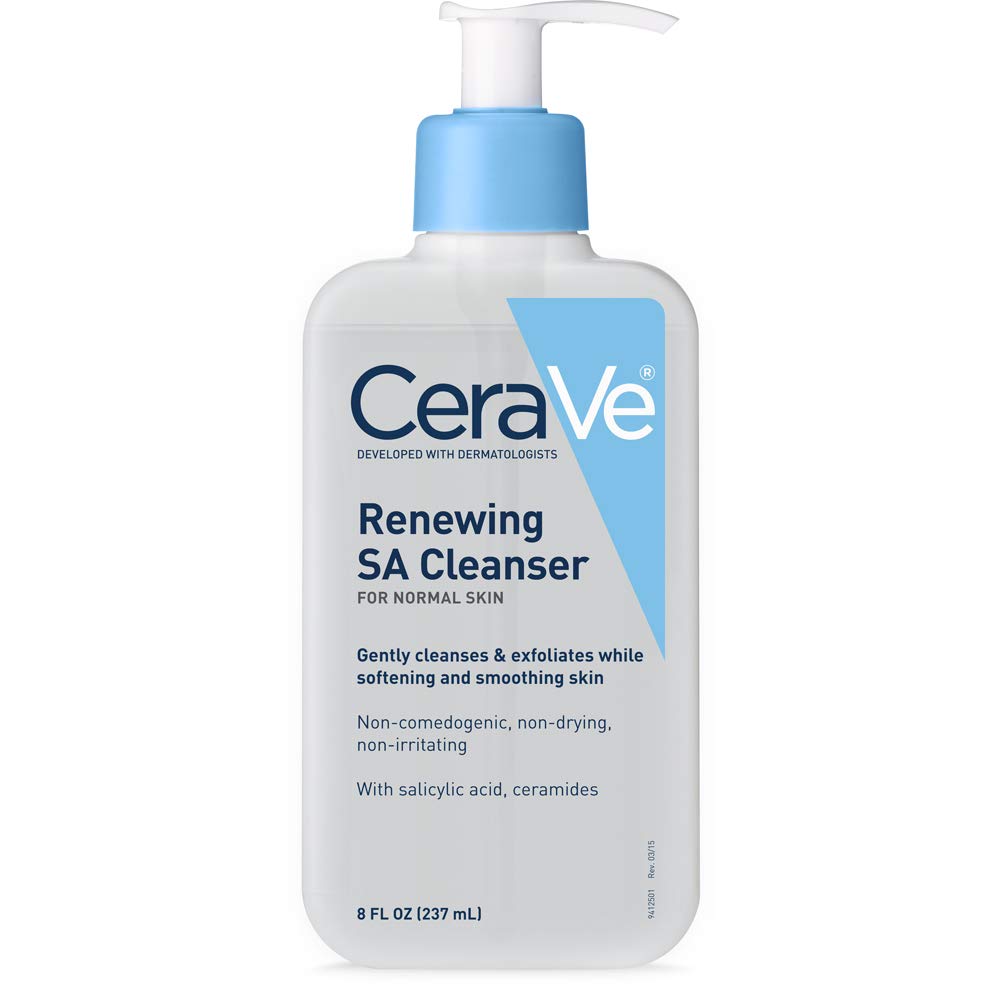
  1. Cleanse your skin gently. (AM and PM)

  2. A salicylic acid-based cleanser is perfect for oily skin. It exfoliates the skin's surface layer and penetrates through oil. Be aware that some cleansers might contain a higher percentage of salicylic acid, which could irritate your skin, so always patch test your products!
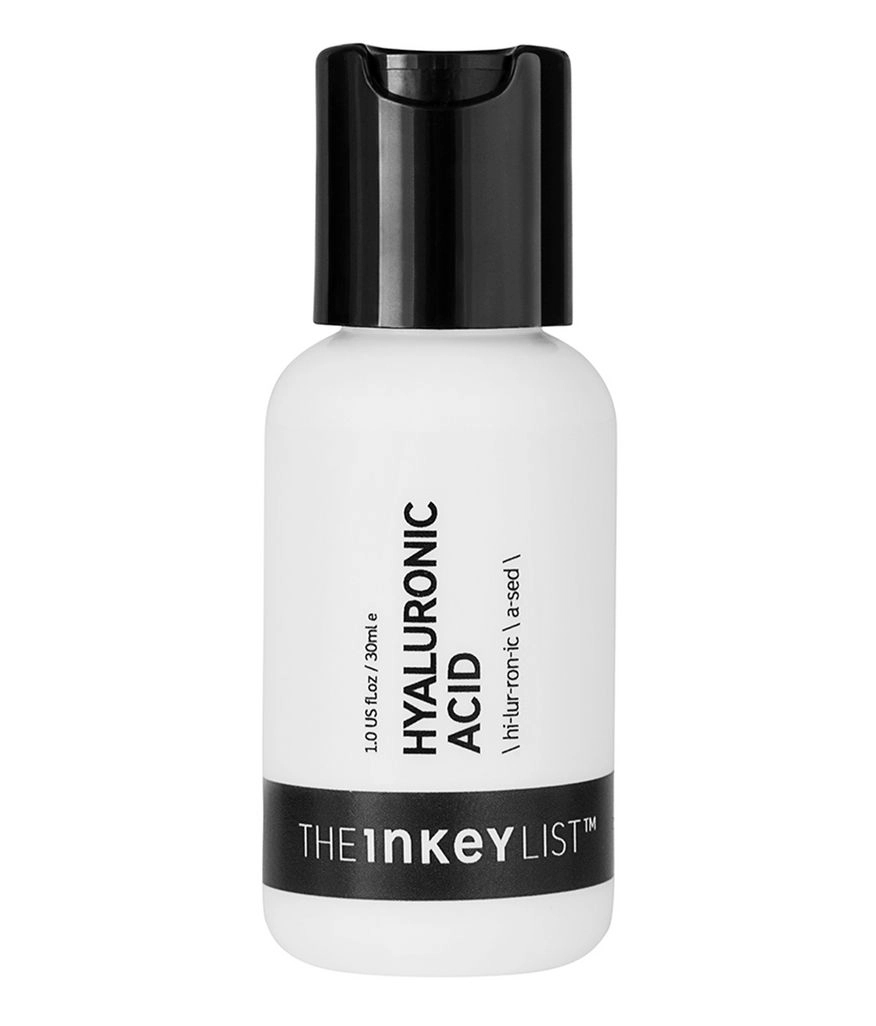
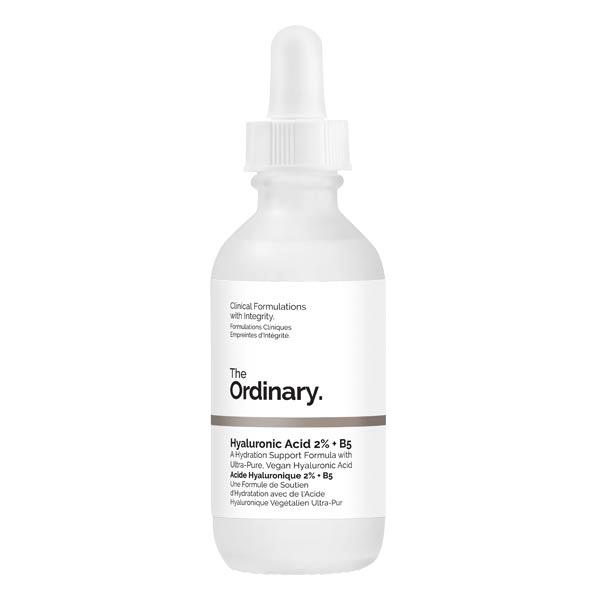
  3. Hydrate (AM and PM)
  4. Hyaluronic acid has lots of benefits and is a main component in our skin structure. It's very moisturizing and has anti-aging effects. The express "acid" might scare a lot of people off, but this ingredient doesn't cause allergic reactions because our bodies produce it. It's great to apply it before your other serums because it helps to seal in moisture.
  5. Treat (AM and/or PM)
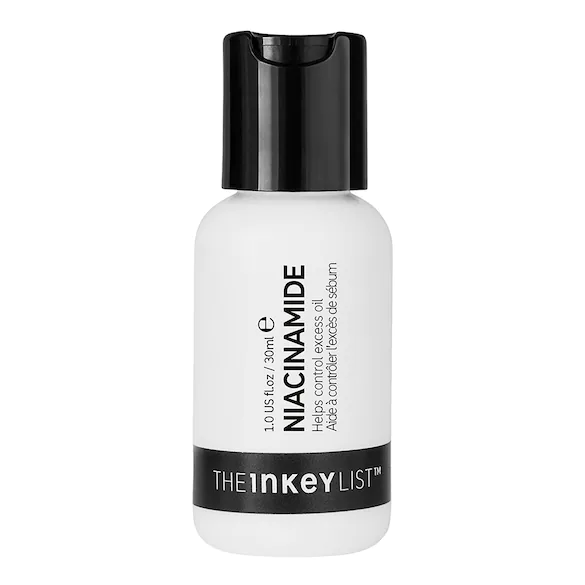
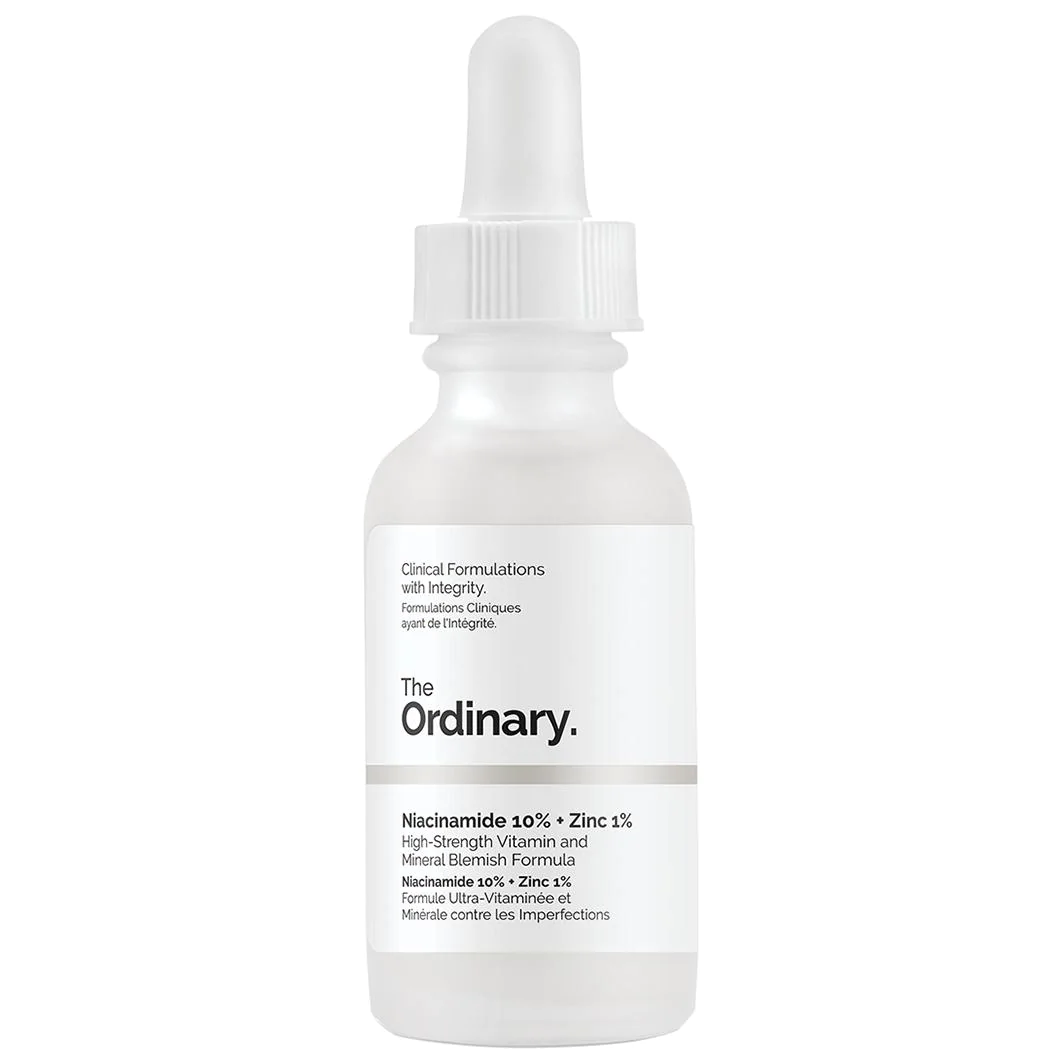
  6. We recommend niacinamide to people with oily skin because it helps to regulate oil production. Serums are optional to use if you still have skin concerns.
  7. Moisturize (AM and PM)
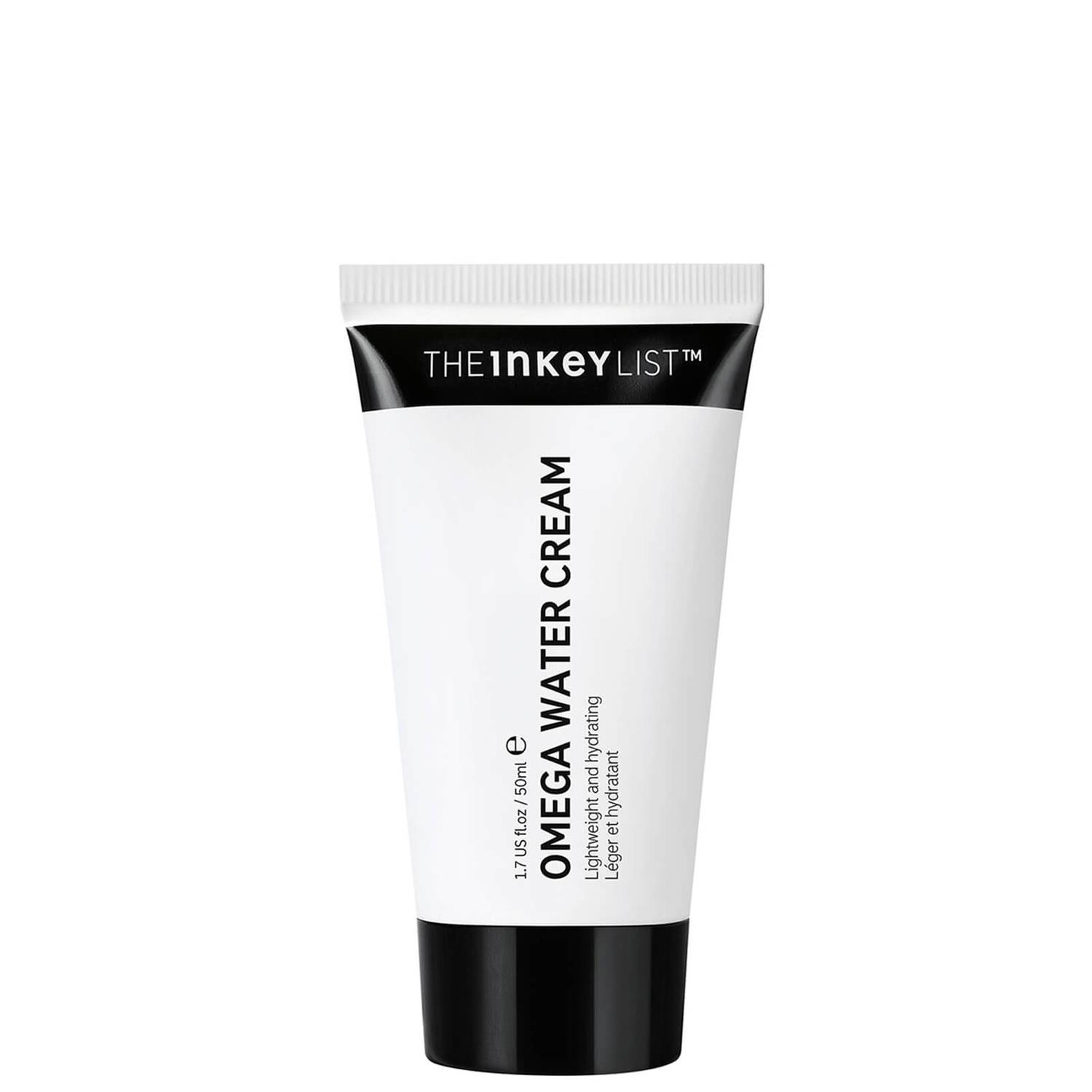
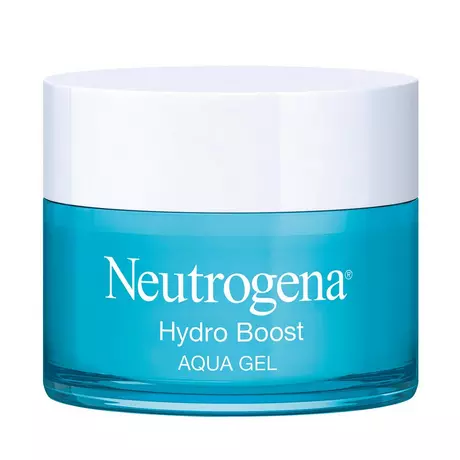
  8. When looking for moisturizers you should search for water-based products, as they're not too heavy on the skin.
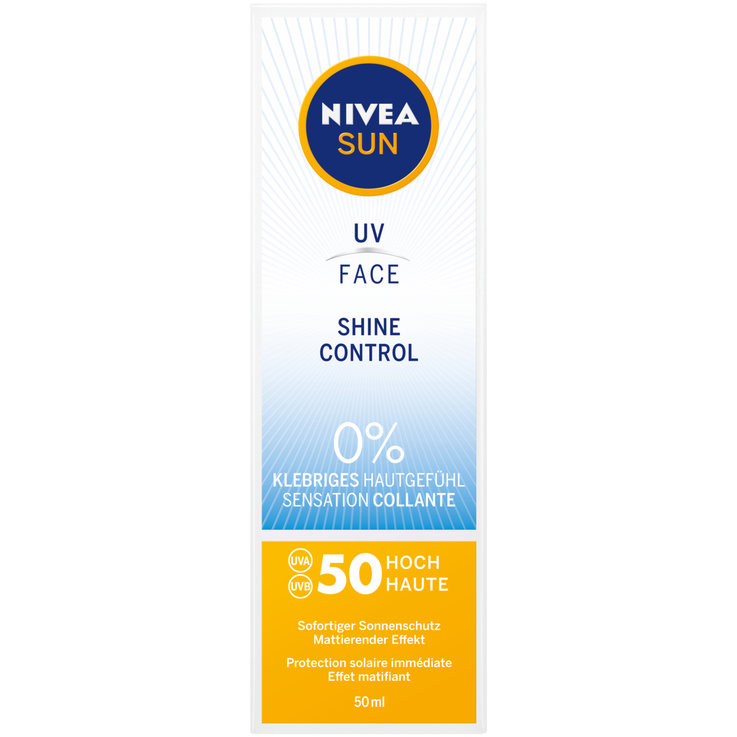
  9. SPF (AM)
  10. Most people with oily skin struggle finding a sunscreen that doesn't make their face look like a glazed donut and end up not protecting their face at all. This sunscreen is perfect because it controls shine while protecting your skin from UV rays.